box icon Free shipping on orders over
60
00
117
35
лв.
Product added to cart

Филтър

location icon

Каталог с продукти

(37 - 72 of 107 results)
location icon
Bulgaria Bulgaria | Broad-Leaved Melnik
10
17
19
89
лв.
Bulgaria Bulgaria | Cabernet Sauvignon | Merlot
13
24
25
90
лв.
Bulgaria Bulgaria | Mavrud | Nebbiolo | Syrah
20
20
39
51
лв.
Bulgaria Bulgaria | Cabernet Sauvignon
16
31
31
90
лв.
12
78
25
00
лв.
14
90
29
14
лв.
12
50
24
45
лв.
France France | Grenache | Cinsault | Syrah
15
80
30
90
лв.
Bulgaria Bulgaria | Cabernet Sauvignon | Cabernet Franc | Syrah
12
73
24
90
лв.
9
60
18
78
лв.
18
50
36
18
лв.
Bulgaria Bulgaria | Blend
29
00
56
72
лв.
Bulgaria Bulgaria | Mavrud
13
50
26
40
лв.
27
50
53
79
лв.
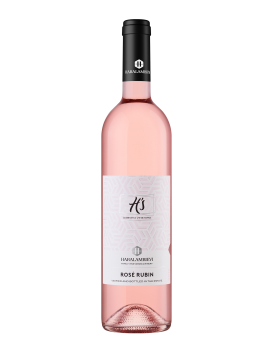
BIWC 2026
Rose Raya Garden Yalovo
18
00
35
20
лв.
8
90
17
41
лв.
BIWC 2026
Colorito Rose
Bulgaria Bulgaria | Grenache | Early Melnik | Broad-Leaved Melnik
15
00
29
34
лв.
15
50
30
32
лв.
13
75
26
89
лв.
Greece Greece | Лиатико
22
45
43
91
лв.
France France | Grenache | Cinsault | Syrah
13
50
26
40
лв.
Italy Italy | Сусуманиело
12
25
23
96
лв.
Bulgaria Bulgaria | Cabernet Sauvignon
25
90
50
66
лв.
12
25
23
96
лв.
Bulgaria Bulgaria | Cabernet Franc
12
90
25
23
лв.
Bulgaria Bulgaria | Pinot Noir
12
22
23
90
лв.
Italy Italy | Nerello Mascalese
29
60
57
89
лв.
15
85
31
00
лв.
21
50
42
05
лв.
18
90
36
97
лв.
14
30
27
97
лв.
Bulgaria Bulgaria | Blend
14
57
28
50
лв.
8
64
16
90
лв.
14
27
27
91
лв.

Описание на категорията

In our selection of rosés, you will discover a rich variety of grape varieties, flavours, and styles - from fresh and light to fuller-bodied and more aromatic. Before we introduce our selection of over 100 shades of rosé, let’s first recall what this wine actually is.

In short, rosé is made when red grapes undergo a short fermentation period in contact with the grape skins. It is this brief contact that gives the wine its characteristic pink colour. The winemaker has full control over how intense the colour will be and what style will be achieved - from almost pale, delicate shades to deeper, more concentrated rosés.

Three main methods of rosé production

Skin maceration - the most common method, where the juice remains in contact with the skins of the red grapes for a very short time - sometimes less than an hour. This is the classic approach, especially typical for regions such as Provence.

“Saignée” method - during red wine production, part of the juice is “bled off” into a separate vessel and vinified as rosé. This results in a more concentrated red wine while also producing an aromatic and structured rosé.

Blending - a method in which a small amount of red wine (usually under 5%) is added to white wine to achieve a pink colour. This approach is less common in still wines, but is typical for sparkling wines such as Champagne.

A brief history of rosé

The history of rosé takes us back to the 6th century BC, when vines and winemaking traditions from Greece reached the southern part of France. There, production of light, pale pink wines began, combining white and red grapes, which quickly gained popularity across the Mediterranean region.

Later, the Romans, impressed by the finesse of these wines, helped spread them even further.

In the 19th century along the French Riviera - the Côte d’Azur - tourists, after long walks, games, and sea adventures, would often relax with a chilled glass of rosé. Thus, this wine gradually became a symbol of summer, lightness, and carefree luxury.

Today, we invite you to immerse yourself in this atmosphere - to choose your rosé and enjoy that distinctive taste of lightness, freshness, and mood that only a glass of rosé can bring.