Physical stores
 Free shipping on orders over

 Филтри
 Login
Login








 Назад
Назад

Raspberry Wine: How It’s Made and Why It’s So Popular
 24.09.2026
 9 minutes
 Base of wine
Raspberry wine makes an immediate impression with its vibrant colour, ranging from bright ruby to deep garnet, and an unmistakable aroma of ripe raspberries. Yet there is much more behind its inviting appearance than a simple sweet fruit drink. Raspberry wine is a fermented beverage with a distinctive character shaped by the quality of the fruit, the winemaking process and the style the producer aims to achieve.
Unlike traditional wine, which is made from grapes, raspberry wine begins with raspberries. Their naturally high acidity, relatively low sugar content and delicate aromatic profile require a different approach to fermentation and production. Depending on how it is made, raspberry wine can be crisp and dry, smooth and semi-sweet, or rich and indulgently sweet enough to be enjoyed as a dessert wine.
What Is Raspberry Wine?
Raspberry wine is a fermented fruit wine made from raspberries or raspberry juice. As with grape wine, its alcohol is primarily produced through fermentation, when yeast converts naturally occurring and, where applicable, added sugars into alcohol and carbon dioxide.
Raspberries generally contain considerably less sugar than wine grapes. Depending on the recipe and the desired alcohol level, the winemaker may therefore need to adjust the sugar content before fermentation. This should not be confused with simply sweetening the finished wine: much of this sugar may be consumed by the yeast during fermentation.
The final level of sweetness depends on how much residual sugar remains once fermentation is complete, as well as on the techniques used to stabilise the wine. This is why raspberry wines can vary so widely in style, from distinctly dry to lusciously sweet.
How Is Raspberry Wine Made?
The basic principles are similar to those of traditional winemaking, but there is no single recipe for raspberry wine. The proportions of fruit, juice, water and sugar, together with acidity management and yeast selection, all depend on the quality of the raw fruit and the style the producer wants to create.
Selecting and Preparing the Raspberries
Quality begins with the fruit. Healthy, fully ripe and aromatic raspberries with no signs of mould or spoilage provide the best foundation for a good raspberry wine. Both fresh raspberries and properly frozen fruit can be used successfully.
After sorting, the fruit is gently crushed or pressed. Depending on the chosen method, fermentation may take place using primarily the juice or with some of the raspberry pulp and solids remaining in contact with it.
Raspberries are particularly susceptible to oxidation and unwanted microorganisms, which makes careful handling essential. Excellent hygiene, minimal unnecessary exposure to oxygen and prompt processing all help preserve the fruit’s clean, vibrant aromatic character.
Balancing Sugar and Acidity
Before fermentation begins, the sugar and acidity levels are measured and, where necessary, adjusted. The aim is to create the right environment for fermentation while ensuring that the finished wine has sufficient body and balance without becoming either thin or excessively sharp. Some production methods may also involve the addition of nutrients to support healthy yeast activity.
This stage plays an important role in determining the eventual style of the wine. A higher sugar level at the beginning does not automatically result in a sweeter finished wine. If the yeast ferments all of the available sugar, the main result will be a higher alcohol content rather than greater sweetness.
To produce a semi-sweet or sweet raspberry wine, the winemaker must carefully manage fermentation and ensure that the finished wine is properly stabilised while retaining the desired level of residual sugar.
Fermentation
Selected wine yeasts are typically introduced to the prepared raspberry must to begin fermentation. Temperature control is particularly important at this stage. Excessive heat can diminish the delicate fresh-fruit aromas, while temperatures that are too low may slow or even interrupt fermentation.
There is no universal fermentation time for raspberry wine. The process depends on several factors, including the composition of the must, the yeast strain, fermentation temperature and batch size.
For this reason, fermentation should not be considered complete simply because the wine appears still or clear. Its progress is monitored through measurements, and completion is confirmed only once readings remain stable.
Racking, Clarification and Stabilisation
Once active fermentation has finished, the wine is racked away from the fruit solids and yeast sediment. It may then undergo clarification, maturation and, where necessary, further stabilisation.
This period allows the different elements of the wine to come together. Harsh edges gradually soften, the aromas become more integrated and the palate develops greater harmony and complexity.
Stability is particularly important when residual sugar remains in the wine. A clear appearance alone does not guarantee that fermentation has completely stopped. If active yeast and fermentable sugars remain in the bottle, fermentation can restart, potentially creating unwanted carbonation and dangerous pressure.
Bottling
Raspberry wine should only be bottled once fermentation is fully complete and the wine is microbiologically stable. Clean bottles, secure closures and minimal exposure to oxygen are essential for preserving its quality.
Most fruit wines are designed to be enjoyed relatively young, while their fresh, vibrant fruit character is at its best. However, ageing potential varies depending on the wine’s sweetness, alcohol level, acidity and production method.
What Does Raspberry Wine Taste Like?
Unsurprisingly, raspberry is the defining aroma, but its expression can vary considerably from one wine to another.
Fresh, youthful styles tend to evoke ripe raspberries, red berries and freshly picked fruit. Richer, sweeter or slightly oxidative examples may develop deeper notes reminiscent of raspberry preserve, dried fruit and warm spices.
Dry raspberry wines tend to highlight the fruit’s naturally lively acidity. In semi-sweet and sweet versions, that acidity plays an equally important role by balancing the residual sugar and preventing the wine from becoming cloying.
A well-made raspberry wine should offer more than intense fruit or sweetness alone. The best examples achieve harmony between fruit, acidity, alcohol and residual sugar, allowing the raspberry character to remain distinctive without overwhelming the palate.
Why Is Raspberry Wine So Appealing?
Part of raspberry wine’s charm lies in its combination of the familiar and the unexpected. Raspberries naturally evoke summer, freshly picked berries and homemade preserves, while fermentation adds depth, structure and an entirely different dimension to the fruit.
The result can take many forms. Some raspberry wines are light, bright and refreshing; others are rich, concentrated and distinctly dessert-like. Many fall somewhere in between.
This versatility makes raspberry wine appealing to a wide range of tastes. Those who find full-bodied red wines too heavy may enjoy a fresher, fruit-driven style, while lovers of dessert wines can explore richer and more concentrated expressions.
How to Choose a Good Raspberry Wine
When choosing raspberry wine, look beyond its attractive colour and start by considering the style. Check the stated sweetness level, alcohol content and producer, as well as information about the ingredients and production method where available. These details can help distinguish a genuine fermented fruit wine from other raspberry-flavoured alcoholic beverages.
Once opened, a good raspberry wine should have a clean, clearly defined fruit aroma, without unpleasant vinegary, mouldy or otherwise faulty notes.
Balance is equally important on the palate. Sweetness should complement rather than mask the fruit, while the acidity should provide freshness without feeling harsh or disconnected. A small amount of sediment can be perfectly acceptable in minimally processed wines. Unexpected fizz or gas in a wine that is not intended to be sparkling, however, may indicate that fermentation has continued in the bottle.
If you are trying raspberry wine for the first time, let your usual preferences guide you. Choose a dry style if you enjoy freshness, lively acidity and a more restrained expression of fruit. A semi-sweet wine will offer a softer, rounder and more fruit-forward experience.
Dry and fresher styles are often particularly versatile at the table, while richer sweet wines are naturally suited to desserts or leisurely sipping after dinner.
What Food Pairs Well with Raspberry Wine?
Sweetness is one of the most useful factors to consider when pairing raspberry wine with food.
Dry, fresh raspberry wines can work beautifully with soft cheeses, duck and dishes that feature sweet-and-sour flavours. Semi-sweet styles are well suited to goat’s cheese, roasted nuts and fresh fruit platters.
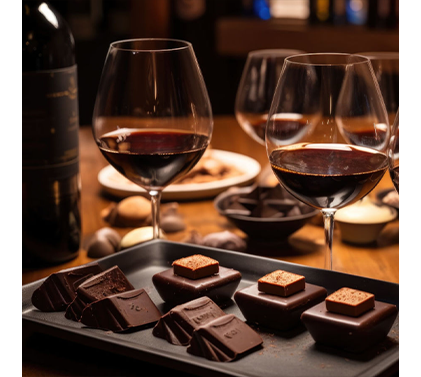
Sweet raspberry wine is a natural partner for cheesecake, chocolate desserts, fruit tarts and pastries made with berries. As a general rule, try to ensure that the dessert is not noticeably sweeter than the wine. Otherwise, the wine can seem sharper, thinner and less expressive by comparison.
These pairings are guidelines rather than strict rules. Ultimately, the balance of sweetness, acidity and body in the individual wine matters more than the category printed on the label.
How to Serve Raspberry Wine
Raspberry wine is best served chilled, but not ice-cold. For lighter, drier styles, around 8–10°C is a good starting point. Fuller-bodied and sweeter raspberry wines can be served slightly warmer, at approximately 10–12°C.
Serving temperature can make a noticeable difference. If the wine is too cold, its aromas may become muted. If it is served too warm, the alcohol and sweetness can become more pronounced and disrupt the overall balance.
Depending on the style, a standard white wine glass or a smaller dessert wine glass works well. Avoid filling the glass to the rim; leaving sufficient space allows the aromas to develop and makes it easier to appreciate the wine’s full aromatic profile.
How to Store Raspberry Wine
Unopened raspberry wine should be kept in a cool, dark place, protected from direct light and sudden changes in temperature.
Once opened, reseal the bottle carefully and store it in the refrigerator. How long it remains at its best will depend on factors such as sweetness, alcohol level, style and production method, but its fresh fruit aromas will generally begin to fade gradually after opening.
Raspberry Wine Beyond the First Impression
Raspberry wine is far more than a sweeter alternative to traditional grape wine. It has its own approach to production and its own delicate balance of fruit, acidity, alcohol and residual sugar. A well-crafted bottle preserves the unmistakable character of ripe raspberries while offering enough structure and complexity to keep the wine from becoming one-dimensional.
Choose a style that suits the occasion and the food, serve it gently chilled and give it a little time to open in the glass. You may discover that raspberry wine’s appeal lies not only in its captivating aroma, but also in the remarkable variety and character it can offer.
Explore the selection of raspberry wines at Seewines and discover the style that best matches your preferred level of sweetness, body and occasion.
The secret box of the discoverer
The secret box is an invitation. To relax. To travel with your senses. To allow yourself a little French escape.




 Back to articles